Source Korean Style Yoga Ring with Roller for Stretching
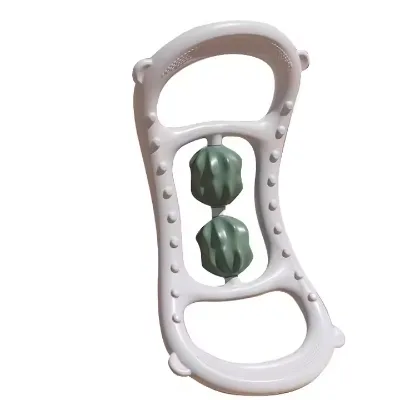
Find 30 listings for the korean style yoga ring with roller, featuring muscle relaxation and Pilates applications. Compare options made from PP or glass fiber, with customizable logos and origins in China, to identify suitable suppliers for your fitness inventory needs.
Key considerations
Products List






Comprehensive Sourcing Guide
Korean Style Yoga Ring with Roller Sourcing Guide
Sourcing a Korean-style yoga ring with roller requires careful attention to material composition and functional design, as these elements directly impact user experience and product durability. The observed market listings indicate a strong emphasis on muscle relaxation and versatile fitness applications, with products ranging from basic Pilates rings to advanced models featuring integrated massage rollers. Buyers must distinguish between simple elastic bands and rigid ring structures, as the latter often provide more consistent resistance for strength training and stretching routines. The presence of rollers suggests a dual-purpose design aimed at enhancing myofascial release during exercise, which is a key differentiator in the current fitness equipment market.
Procurement decisions should also account for the wide variety of specifications available from manufacturers, particularly regarding size, color, and customization options. Listings reveal that products are often marketed under generic names such as "Yoga Ring with Roller" or "Pilates Ring," with specific model numbers like IR98721-10 or ZQ-6 indicating different structural variations. It is crucial to verify whether the roller is fixed or detachable, as this affects both the manufacturing complexity and the final retail price. Additionally, the availability of customized logos and OEM services allows brands to create unique product identities, but this requires clear communication of design specifications to ensure the final product meets aesthetic and functional expectations.
Product Scope and Observed Listing Signals
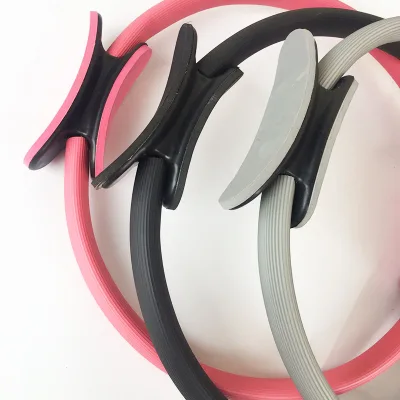
The current product landscape for yoga rings with rollers shows a diverse range of materials, primarily utilizing polypropylene (PP) and composite structures that may include glass fiber and foam. These materials are selected for their balance of flexibility, durability, and weight, which are critical for effective muscle massage and resistance training. The observed listings highlight a universal design suitable for both men and women, with a specific focus on adult users seeking home or studio fitness solutions. The color palette typically includes neutral tones such as gray, beige, and sky blue, alongside vibrant options like purple, catering to different aesthetic preferences and brand identities.
Commercial signals indicate that manufacturers are highly flexible regarding order quantities, with minimum order quantities (MOQs) ranging from single pieces to twenty thousand units. This flexibility supports both small-scale boutique brands and large-scale distributors, allowing buyers to test market demand with low-risk initial orders. The packaging options vary from simple carton boxes to more premium colorful boxes, which can influence the perceived value of the product in retail settings. Furthermore, the inclusion of combo sets offers an opportunity for buyers to increase average order values by bundling the yoga ring with other fitness accessories, thereby enhancing the overall appeal of the product line.
Technical Specifications to Verify
When evaluating technical specifications, buyers must prioritize the dimensional accuracy and structural integrity of the yoga ring, as these factors directly influence performance and safety. The observed standard dimensions for these rings typically range from 30cm to 38cm in diameter, with a thickness of approximately 1cm, ensuring adequate resistance for various body types and exercise intensities. It is essential to verify the exact diameter and thickness for each model, as variations can significantly affect the user experience and the effectiveness of the muscle massage function. Additionally, the single package size and gross weight should be confirmed to optimize logistics and shipping costs, especially for international buyers.
The integration of the roller mechanism is another critical technical aspect that requires thorough verification. Buyers should inquire about the roller's attachment method, material composition, and ease of movement to ensure it provides a smooth and consistent massage experience. The use of materials such as glass fiber combined with PP and foam suggests a focus on durability and shock absorption, but these claims should be validated through sample testing. Furthermore, the availability of customized logos and OEM services means that buyers can tailor the product to their brand guidelines, but this requires precise technical drawings and material specifications to avoid production errors and ensure quality consistency.
Compliance and Safety Documentation
Compliance and safety are paramount when sourcing fitness equipment, particularly products that involve direct skin contact and physical exertion. Buyers should request documentation that verifies the non-toxic and eco-friendly nature of the materials used, such as the PP and foam components observed in some listings. These certifications ensure that the product does not release harmful substances during use, which is critical for consumer safety and brand reputation. Additionally, verifying the durability of the ring and roller mechanism is essential to prevent breakage during intense exercise, which could lead to injury and potential liability issues for the buyer.
While specific certification standards like ISO 13485 are mentioned in background contexts, buyers must confirm the actual compliance status with relevant regional safety standards, such as those in the EU, US, or Asia. This may include testing for mechanical strength, chemical composition, and flammability, depending on the target market. It is advisable to ask suppliers for third-party test reports that validate the product's safety claims, particularly regarding the "non-toxic" and "durable" features highlighted in the listings. Ensuring that the product meets these regulatory requirements will facilitate smoother customs clearance and build consumer trust in the brand's commitment to safety and quality.
Cost Drivers and Commercial Terms
Cost drivers for yoga rings with rollers are primarily influenced by material selection, manufacturing complexity, and customization requirements. The use of composite materials like glass fiber and foam, along with the integration of a roller mechanism, typically results in higher production costs compared to simple elastic bands. Buyers should analyze the cost breakdown to understand how these factors impact the final price, especially when considering bulk orders. The observed price range of $0.25 to $20 USD reflects the diversity in product quality and features, with higher-priced items likely offering superior materials and more advanced roller designs.
Commercial terms, including MOQs and payment conditions, play a significant role in the overall procurement strategy. The wide range of MOQs, from one piece to twenty thousand units, allows buyers to negotiate favorable terms based on their volume commitments. It is important to clarify whether the quoted prices include customization costs, such as logo printing or packaging design, as these can add to the total expense. Additionally, buyers should inquire about lead times and shipping options to ensure timely delivery, especially for seasonal products or promotional campaigns. Understanding these commercial dynamics will help in budgeting accurately and managing cash flow effectively.
Supplier Qualification and Quality Control
Supplier qualification is a critical step in ensuring the reliability and consistency of the yoga ring with roller supply chain. Buyers should assess suppliers based on their manufacturing capabilities, quality control processes, and track record in producing fitness equipment. The observed listings indicate that many suppliers are located in China, with origins in provinces like Hebei, Jiangsu, and Shanghai, which are known for their manufacturing expertise. It is advisable to request factory audits or virtual tours to verify production facilities and quality management systems, ensuring that the supplier can meet the required standards and volume demands.
Quality control measures should be clearly defined and agreed upon before placing orders, including pre-production samples, in-process inspections, and final random inspections. Buyers should specify the acceptable defect rates and return policies to mitigate risks associated with product quality issues. Additionally, verifying the supplier's ability to handle customized orders, such as logo printing and packaging design, is essential for maintaining brand consistency. Establishing a strong relationship with a qualified supplier through regular communication and performance reviews will help in maintaining high product standards and addressing any issues promptly.
Long-Term Procurement Checks
Long-term procurement success depends on continuous monitoring of product performance, market trends, and supplier reliability. Buyers should establish a feedback loop with end-users to gather insights on the yoga ring's durability, comfort, and effectiveness, which can inform future product improvements and sourcing decisions. Regularly reviewing market trends and competitor offerings will help in identifying new features or materials that could enhance the product's competitive advantage. Additionally, staying informed about changes in regulatory requirements and safety standards is crucial to ensure ongoing compliance and avoid potential disruptions in the supply chain.
Building a diversified supplier base can mitigate risks associated with single-source dependencies, allowing buyers to negotiate better terms and ensure supply continuity. It is advisable to periodically re-evaluate supplier performance based on key metrics such as on-time delivery, product quality, and responsiveness to issues. Furthermore, exploring opportunities for product innovation, such as new roller designs or material enhancements, can help in maintaining a dynamic and appealing product portfolio. By maintaining a proactive approach to procurement management, buyers can sustain long-term growth and profitability in the competitive fitness equipment market.
FAQs
What materials are used in the yoga ring with roller?
The rings are constructed from durable PP plastic or a composite of glass fiber, PP, and foam. These materials ensure the product remains lightweight yet sturdy for repeated use. The foam padding provides comfort against the skin, while the rigid structure supports effective muscle relaxation and stretching exercises during fitness routines.
Can I customize the logo on the yoga ring?
Yes, customized logos are available for these yoga rings. Buyers can request specific branding to be applied to the product surface. This customization option allows businesses to create unique inventory for their clients. The supplier accepts these requests to support private labeling and brand identity development for fitness equipment distributors.
What is the minimum order quantity for these rings?
The minimum order quantity varies by supplier, ranging from one piece to twenty thousand pieces. Some vendors offer a low MOQ of just one unit for sampling, while others require larger bulk orders. Buyers should check specific listings to find the exact MOQ that matches their procurement volume and budget constraints.
What sizes are available for the Pilates and yoga rings?
Available sizes typically include diameters of 30cm, 35cm, and 38cm. Some models have specific dimensions like 39x26x4 cm or 37cm. The standard thickness is often around 1cm. These size variations allow users to select the ring that best fits their body type and specific stretching requirements for optimal exercise performance.
Where are these yoga rings manufactured?
These products are manufactured in China, with origins in regions such as Hebei and Jiangsu. Some listings also indicate Shanghai as a production origin. Buyers sourcing from these locations can access a wide variety of fitness equipment. The manufacturing hubs provide established supply chains for exporting yoga and Pilates accessories globally.
What colors are offered for the fitness yoga rings?
Common color options include gray, beige, sky blue, and purple. Many models are available in solid colors to suit diverse aesthetic preferences. Buyers can choose from these standard palettes or request custom colors if the supplier supports such customization. The color choices allow for versatile styling in fitness studios or personal home gyms.